

II Circular Innovation Hackathon
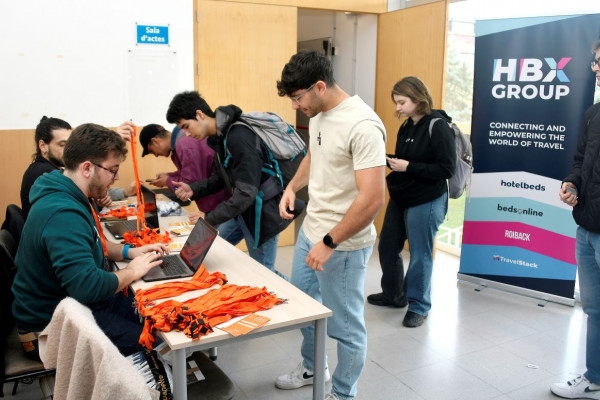
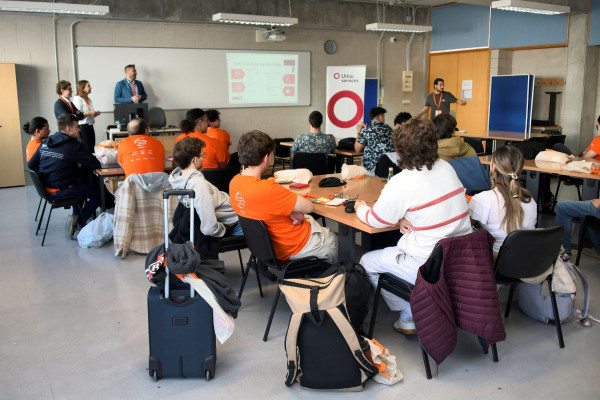
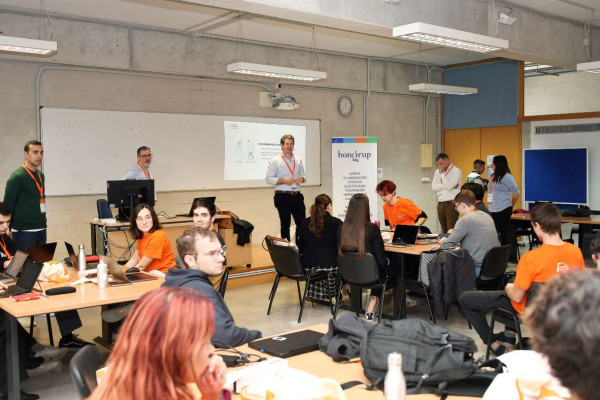
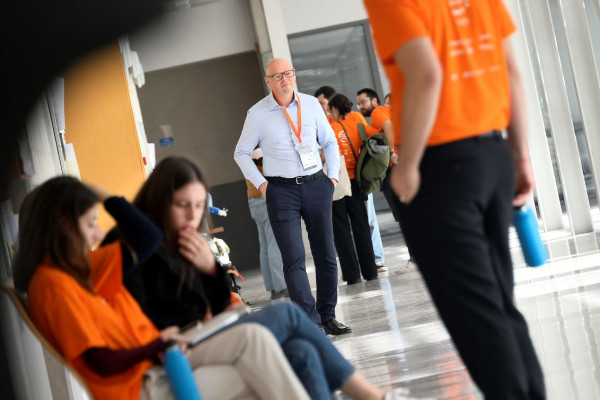
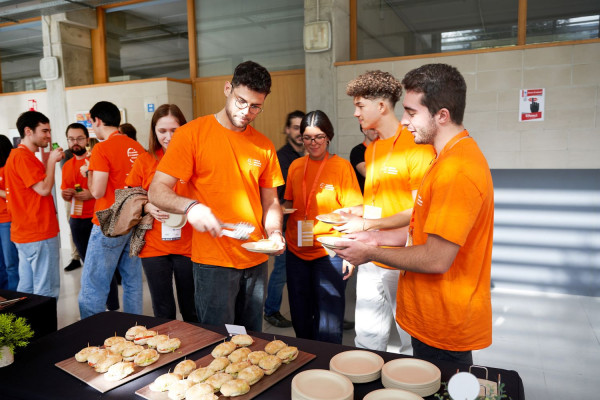
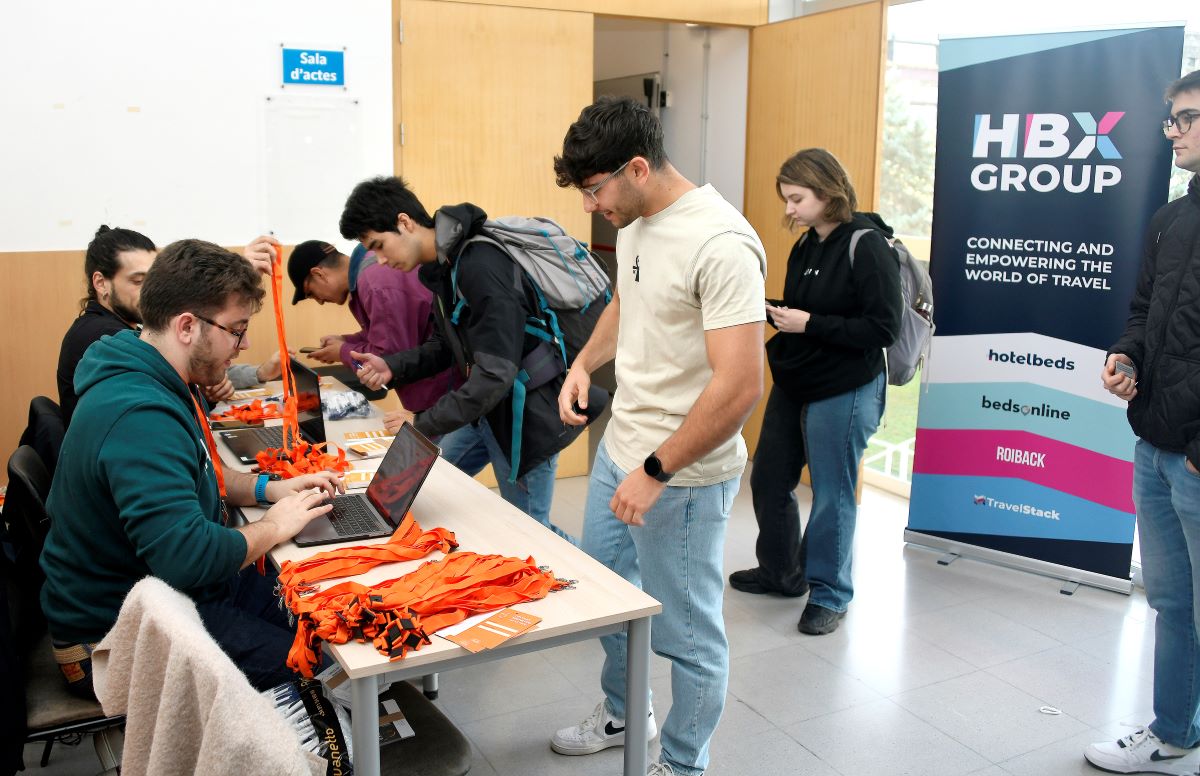
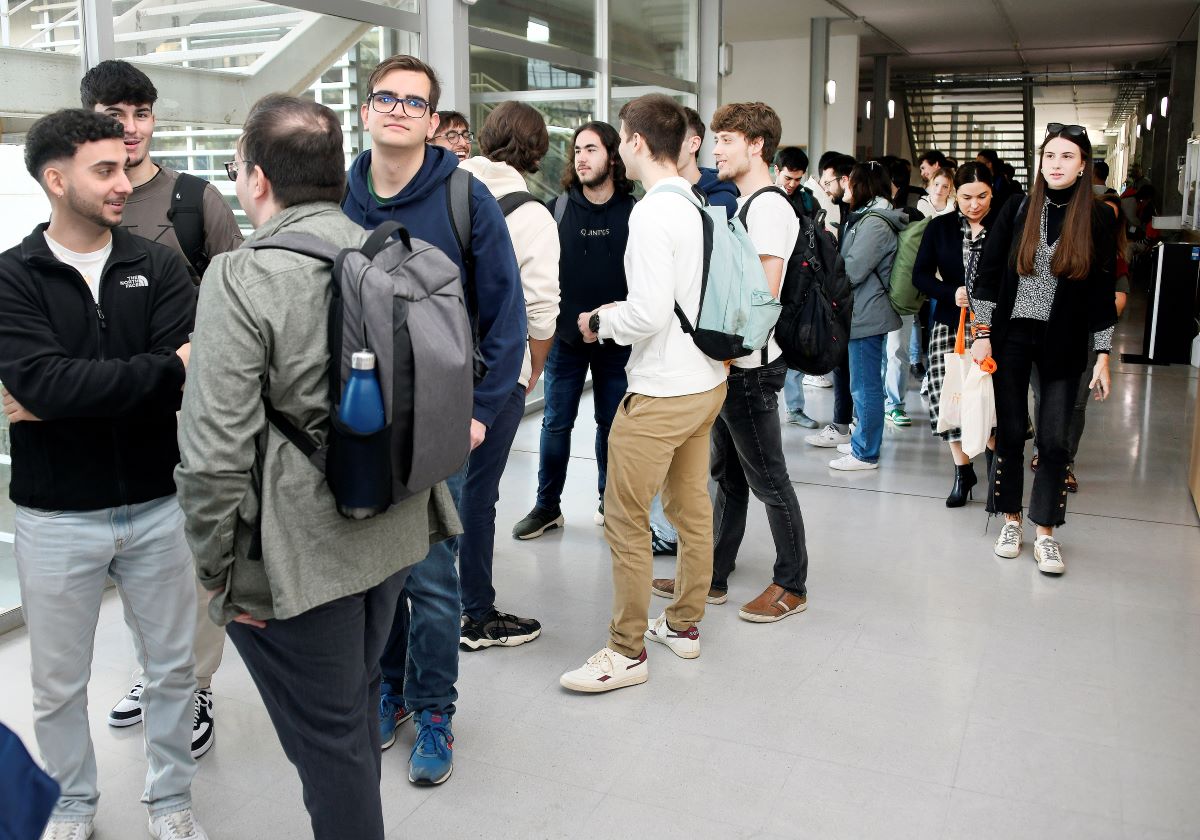
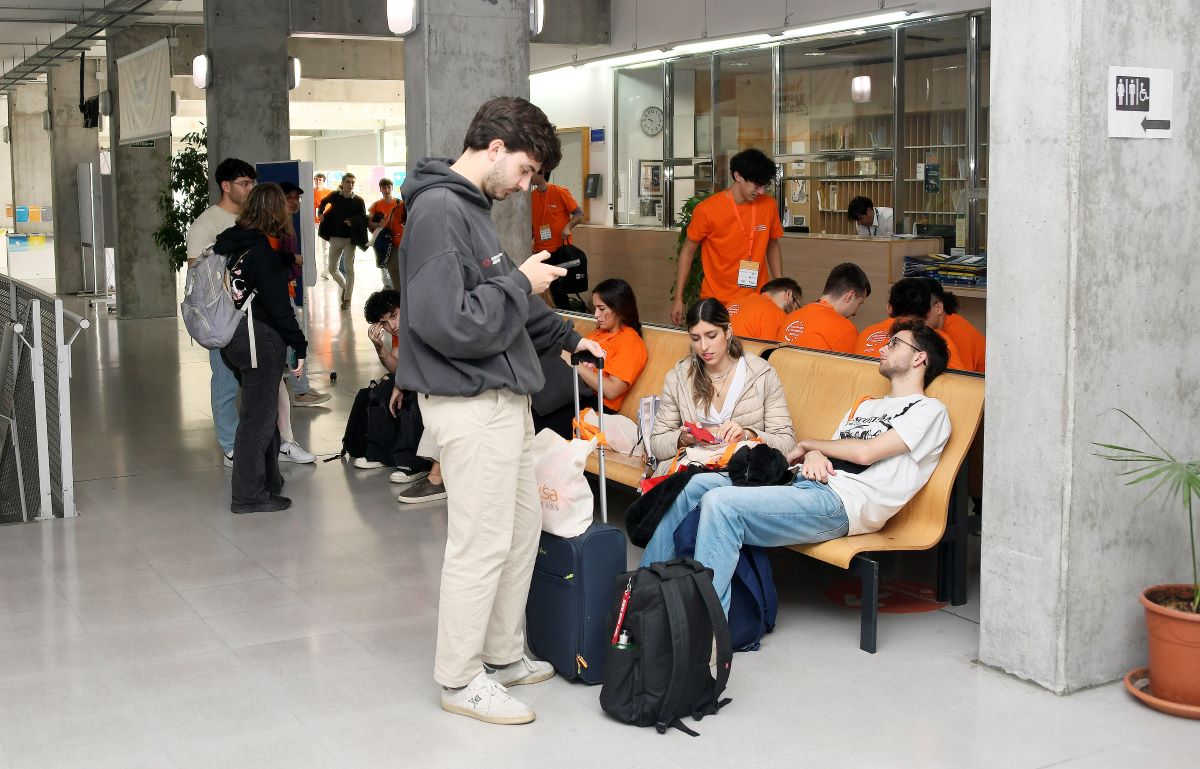
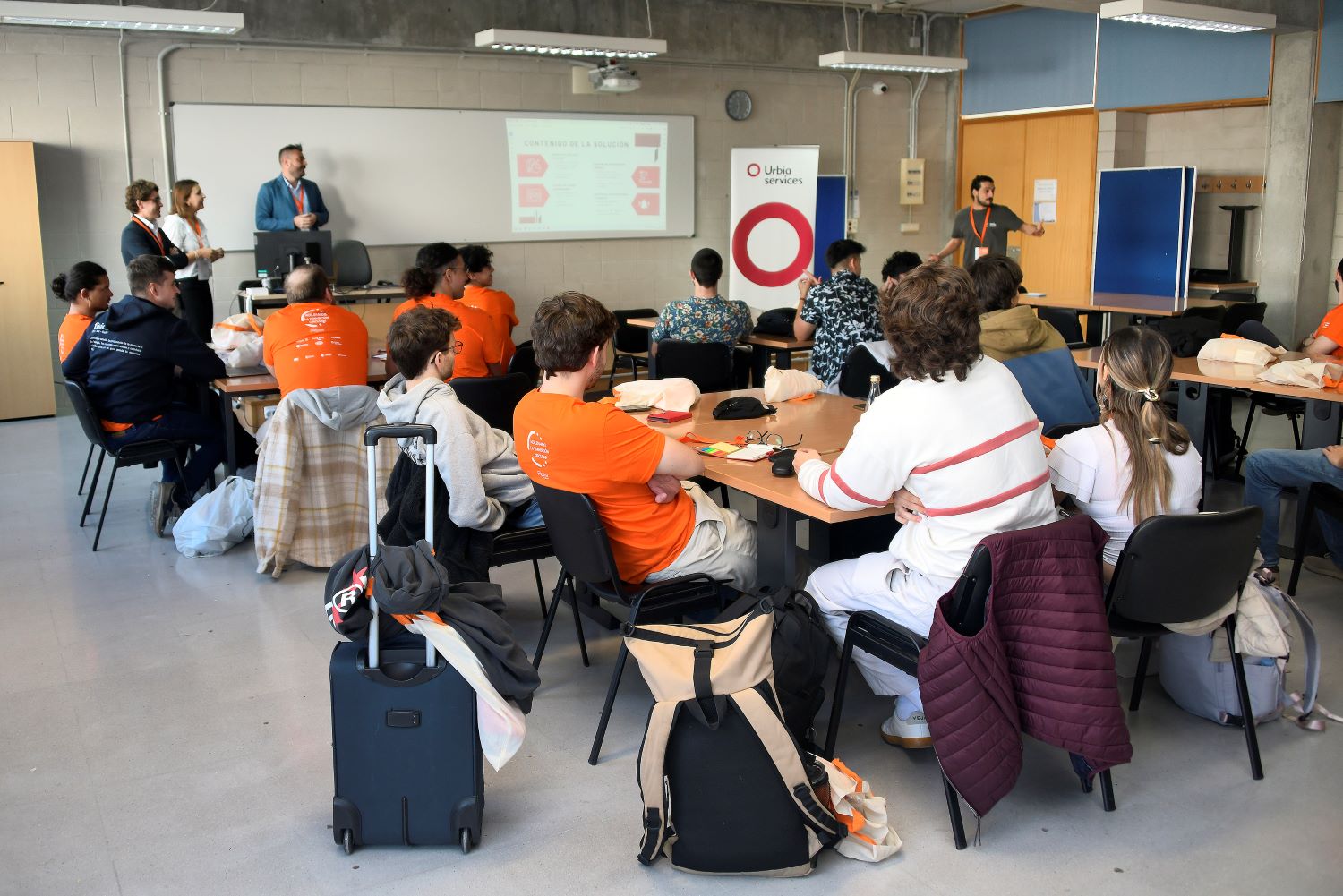
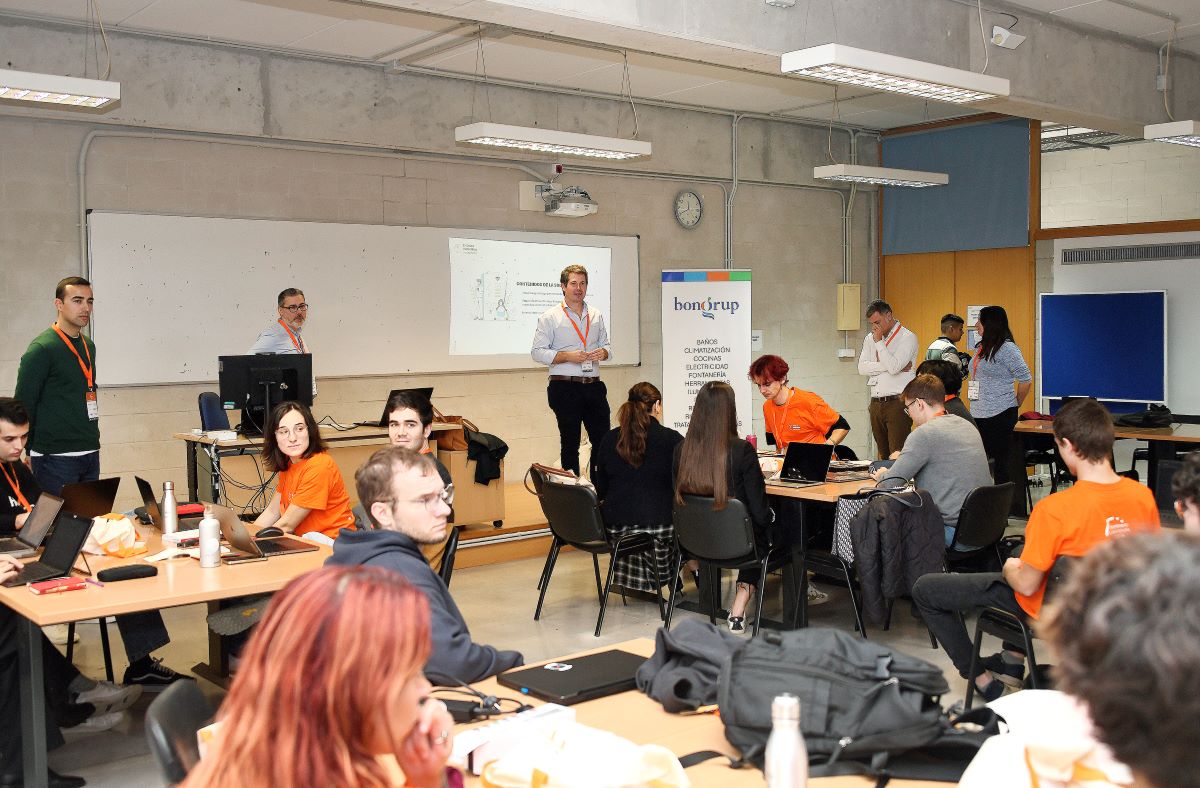
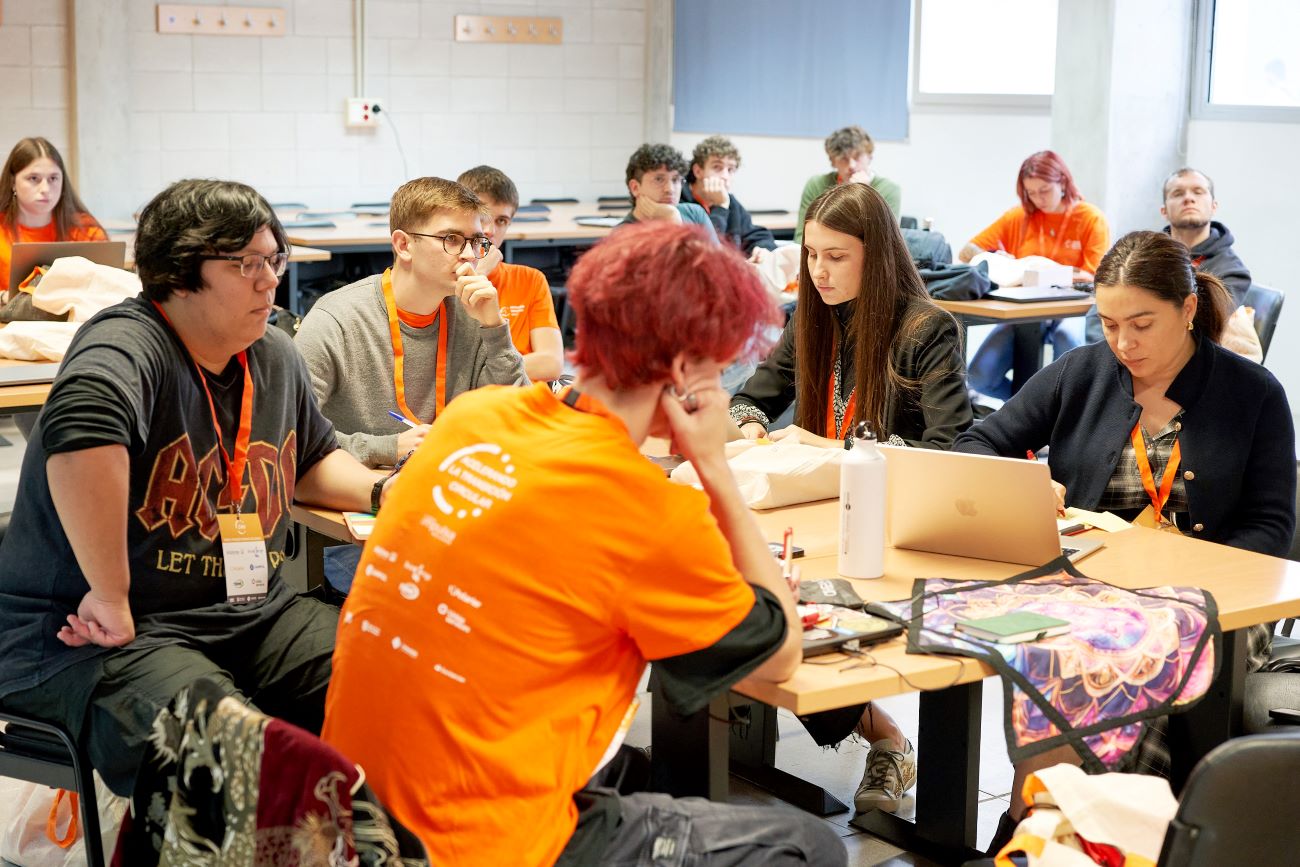
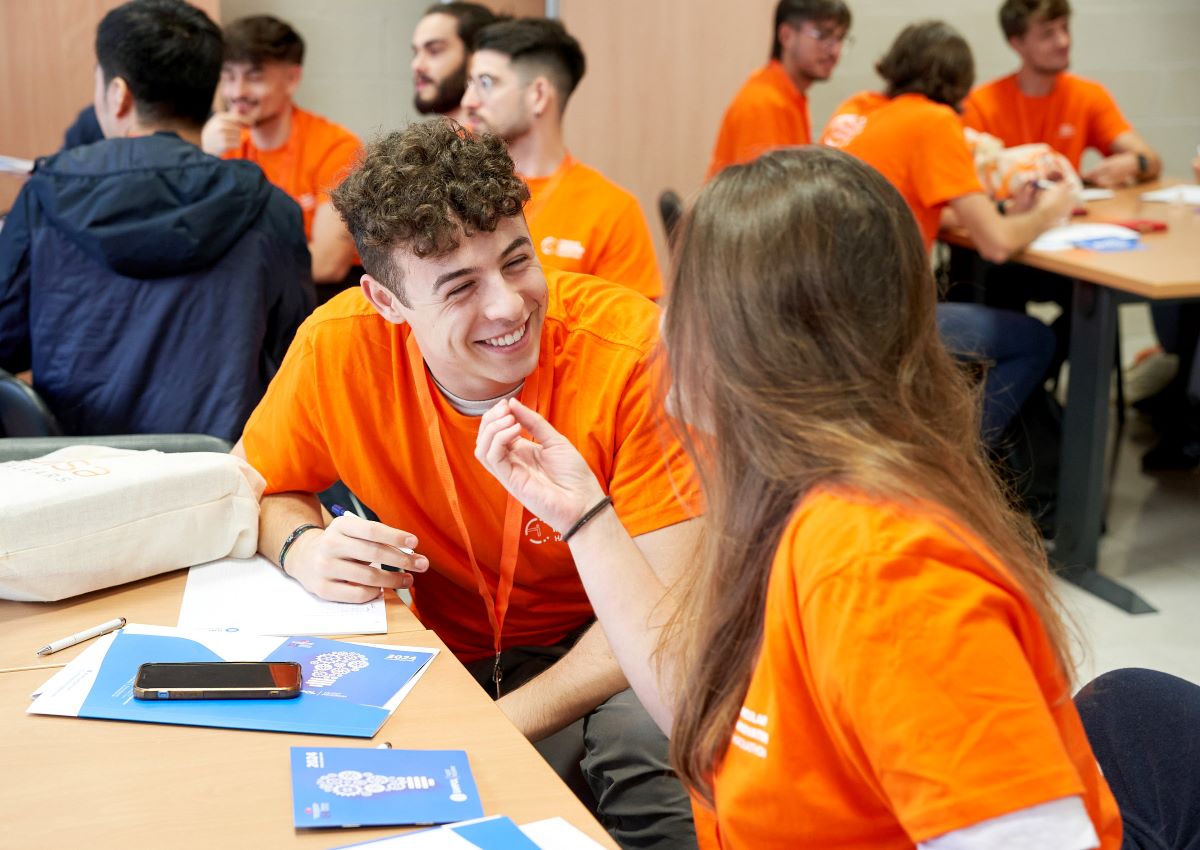
Over 24 hours, 150 vocational training and university students, organised into 30 teams, took part in the 2nd Circular Innovation Hackathon to respond to circular challenges proposed by 86 companies from the Balearic Islands in key areas such as water, energy, materials, food, mobility and land-sea territory.
de la UIB Place
hours Duration
The Challenges
The challenges proposed have led to winning solutions developed by 30 students from 14 Spanish universities and 15 different fields of specialisation, mostly linked to STEM disciplines —mainly computer science, big data, engineering, physics and chemistry— and to the social sciences and humanities —especially business management and journalism. The jury recognised these solutions for their innovative, creative and viable nature.
 ADALMO
Promoting circular purchasing of products made from recycled materials in the business sector.
See solution →Promoting the recycling of vegetable oil and the consumption of derived products, such as biodiesel, through incentives and by facilitating its collection.
UPM, EOI, Borja Moll
 BONGRUP BALEARES
Developing a circular hotel business model that optimises the use of scarce resources.
See solution →Developing a comparative simulator of key metrics, such as energy efficiency and economic profitability, across different technological equipment.
UAB, UIB, EINA, IES Felanitx, Juniper Serra
 POLARIER
Transforming an industrial hotel laundry into a circular business model based on the reuse and recycling of materials.
See solution →The Happiness Algorithm: a project to boost people’s motivation and satisfaction in the workplace.
UPM, UIB, Borja Moll
 SAMPOL INGENIERÍA Y OBRAS
Reducing the carbon footprint of a photovoltaic plant through the circular economy–technology nexus.
See solution →Applying linear programming to predict energy production, reduce risks in the face of unforeseen events and minimise future penalties.
UIB, CESUR
 TIRME
TIRME
Recovering critical raw materials from waste treatment through new technologies and artificial intelligence.
See solution →Revalorising waste through the extraction of critical materials in collaboration with local companies.
UIB, UCM, EAE, US
 URBIA SERVICES
Minimising efficiency losses in the consumption of resources and materials through the application of artificial intelligence.
See solution →Optimising energy consumption through smart power outlets, customisable modules and machine learning.
UC3M





Partner organisations